Canterbury
Willowbank Wildlife Reserve
Christchurch
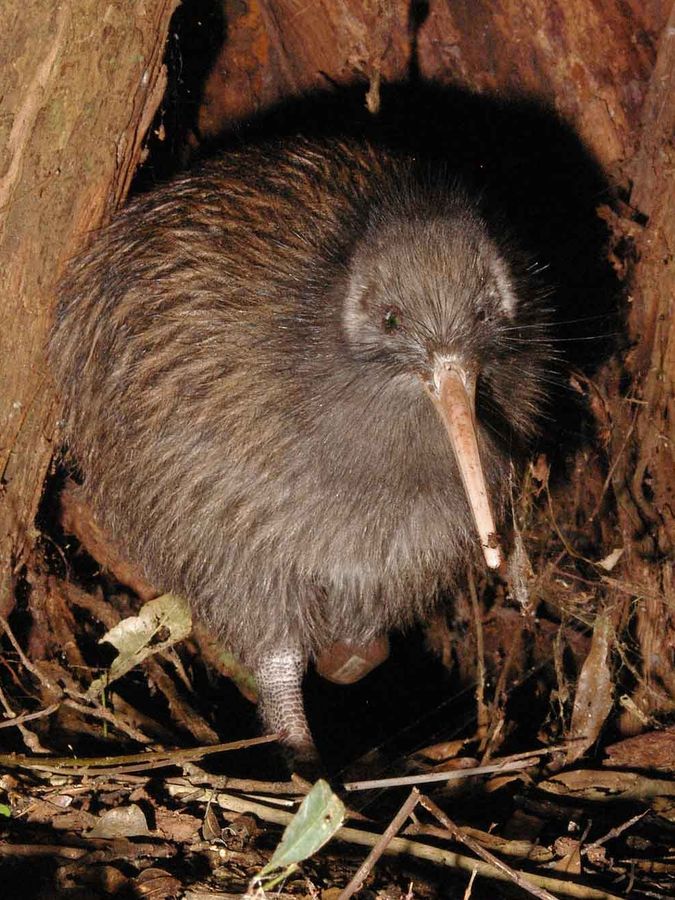
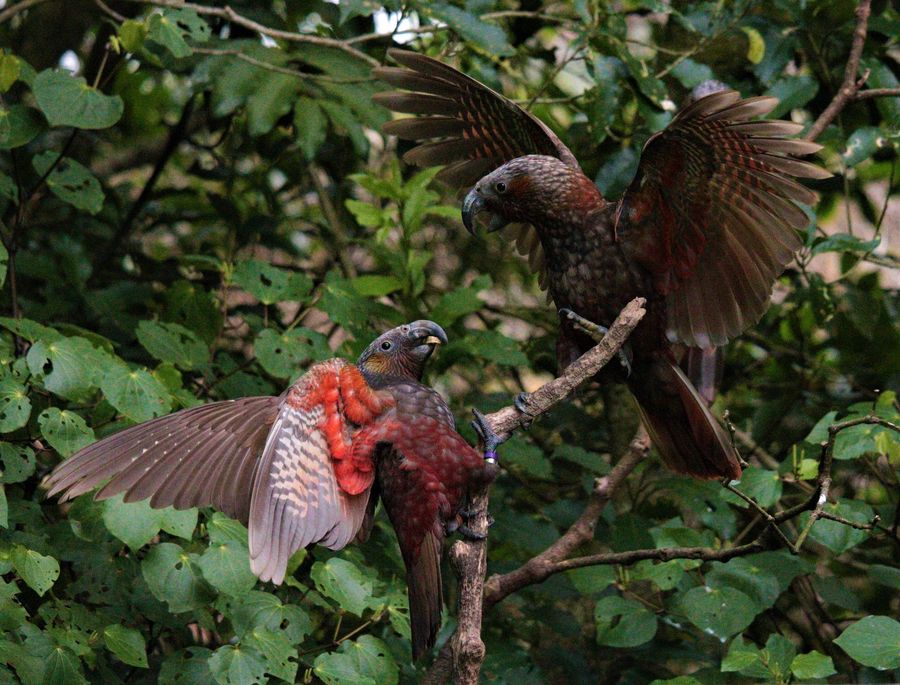
Christchurch's wildlife reserve with a nocturnal kiwi house, kea and kākā in the walk-through area, and a Māori village on site. Kiwi viewing is the reason most people go.
CostAdult $36.50 · child (5–15) $13 · family $93
Best timeLate afternoon, then the kiwi house after dark
Official site ↗
Canterbury
Orana Wildlife Park
Christchurch
Open-range zoo on the edge of Christchurch that also runs native bird breeding; kea and blue duck are in the native section. Allow three to four hours.
CostPaid entry
Best timeMorning, when the animals are active
Wikipedia ↗
Canterbury
Arthur's Pass National Park
Arthur's Pass
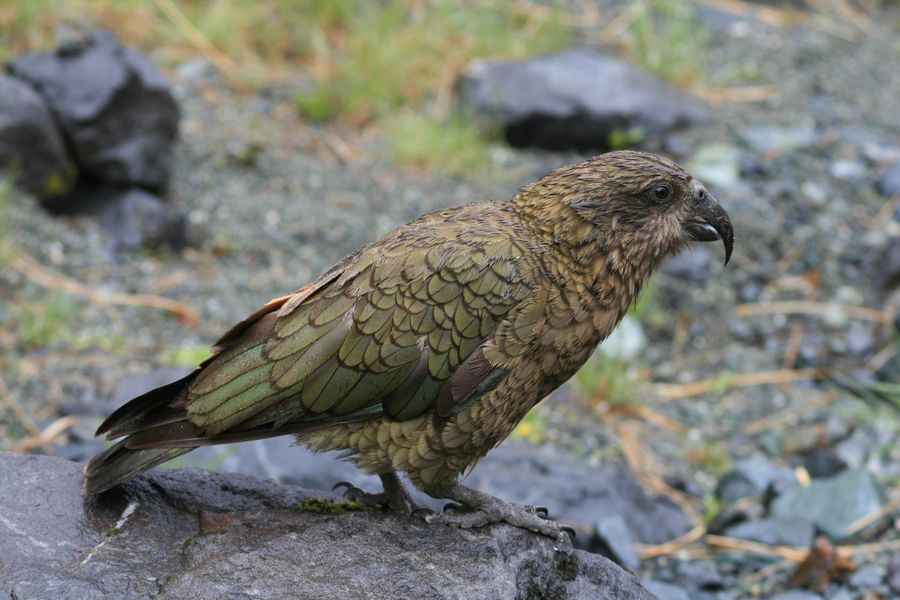
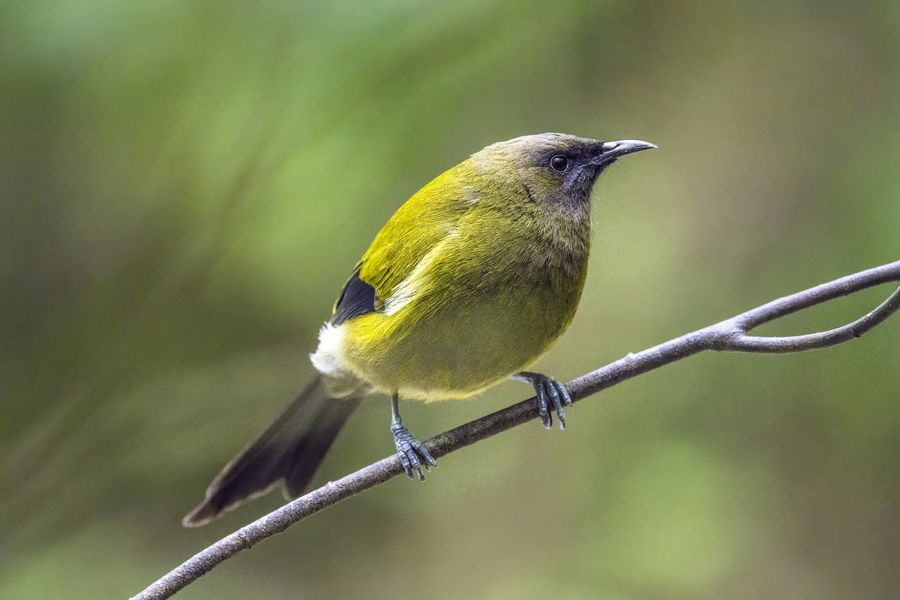
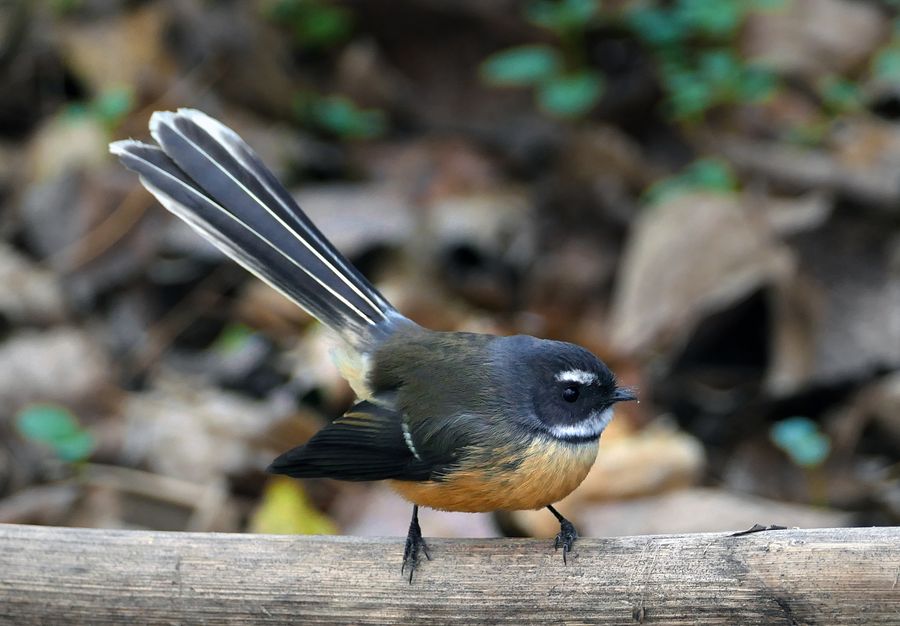
Kea are the draw and they know it, working the car parks and the viaduct lookout; bellbirds and fantails along the Dobson Nature Walk. Snow and avalanche risk on the passes in winter.
CostFree entry
Best timeEarly morning, before the crowds
DOC ↗
Canterbury
Kaikōura Peninsula Walkway
Kaikōura
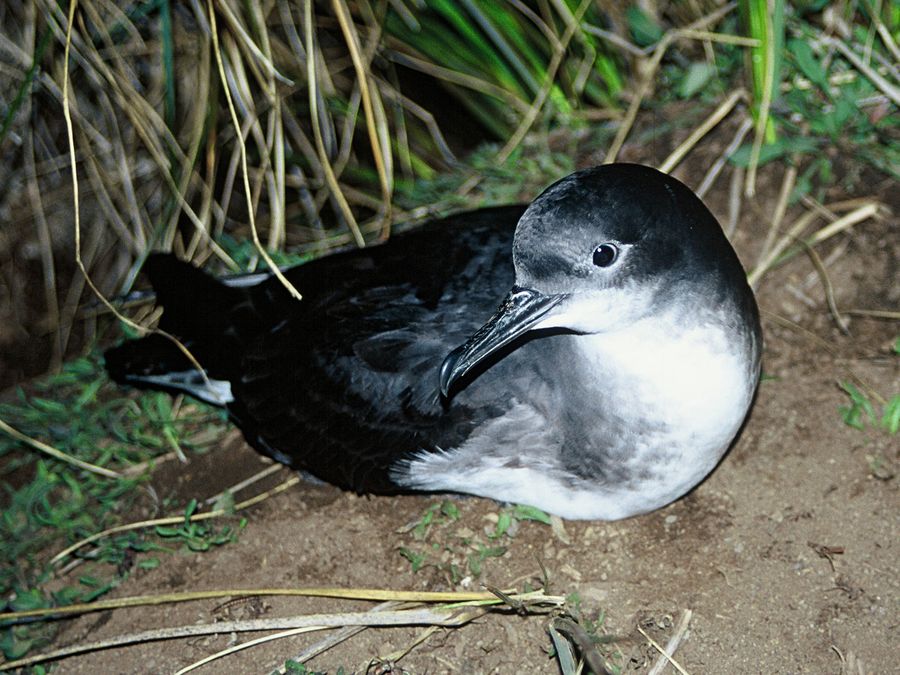
Hutton's shearwater breed only in the Seaward Kaikōura Range and raft on the water offshore at dawn and dusk; the peninsula walkway is the place to scan. Best October to March.
CostFree entry
Best timeDawn or dusk, October to March
Wikipedia ↗
Canterbury
Te Kahui Kaupeka Conservation Park
Geraldine
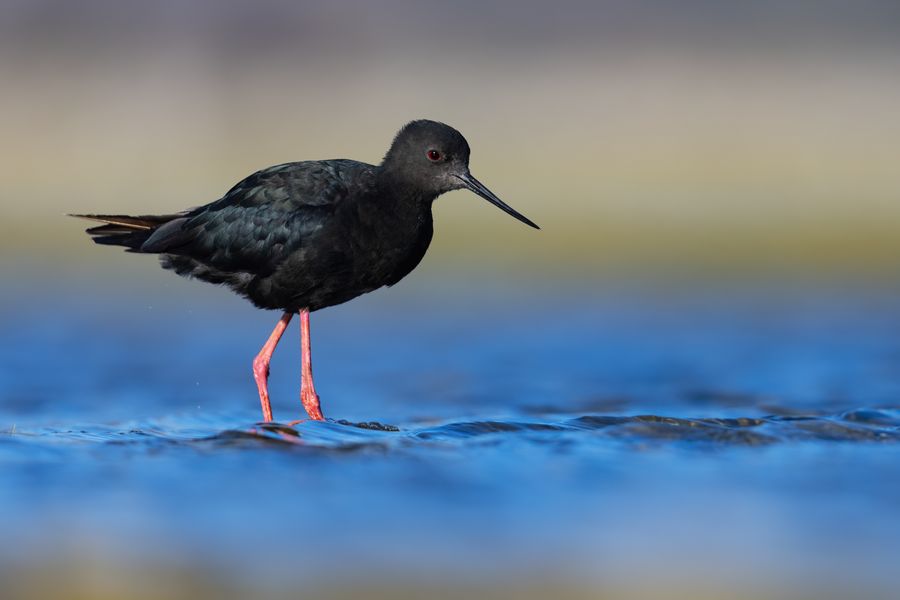
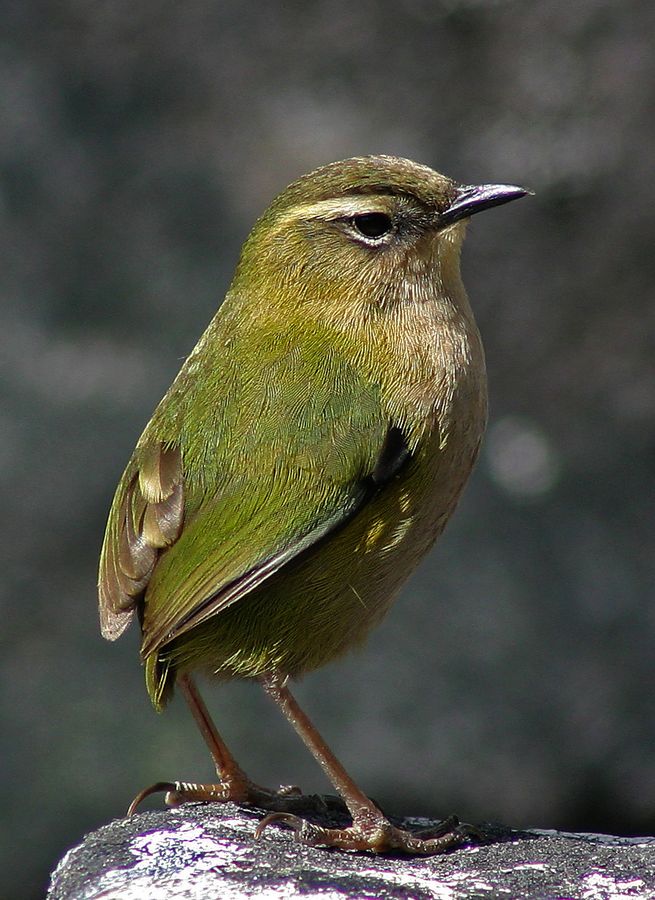
Braided-river park in the Rangitata and Godley headwaters; black stilts use the riverbeds and rock wren live above the bushline. River crossings are dangerous after rain, so check the flows.
CostFree entry
Best timeDawn, spring and summer
DOC ↗
West Coast
Lake Mahinapua Scenic Reserve
Hokitika
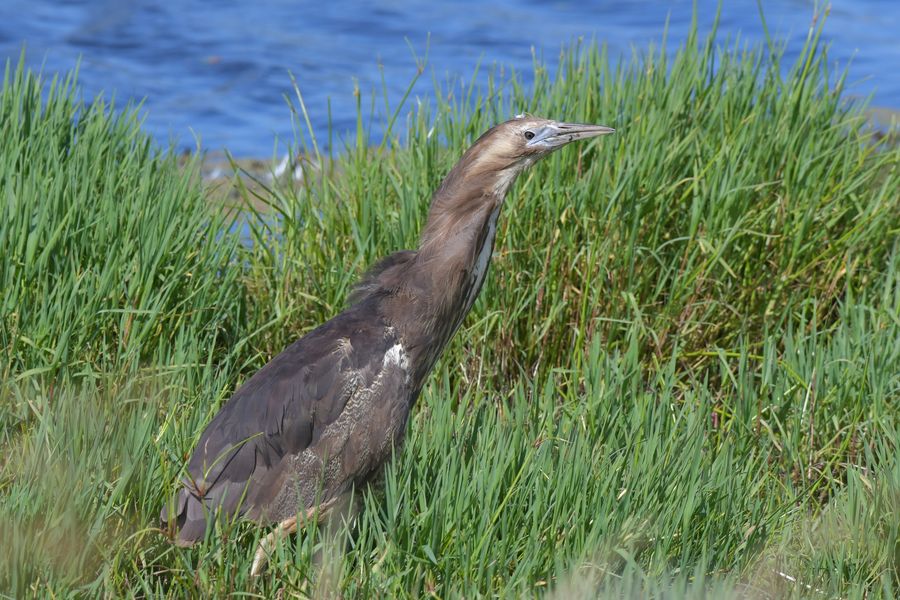
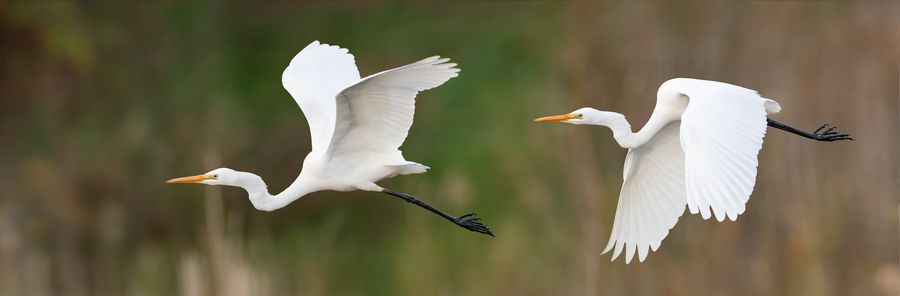
Easy lakeside walk south of Hokitika; bittern in the raupō, the odd white heron, and kākāriki along the bush edge. Flat, short, and fine in the rain.
CostFree entry
Best timeDawn or dusk
DOC ↗
Tasman
Nelson Lakes National Park
St Arnaud
Beech forest around Lake Rotoiti with a long-running mainland-island project; bellbirds are everywhere, kākā call overhead and rock wren and kea live higher up. The Rotoiti circuit is flat and easy.
CostFree entry
Best timeDawn
DOC ↗
West Coast
Paparoa National Park
Punakaiki
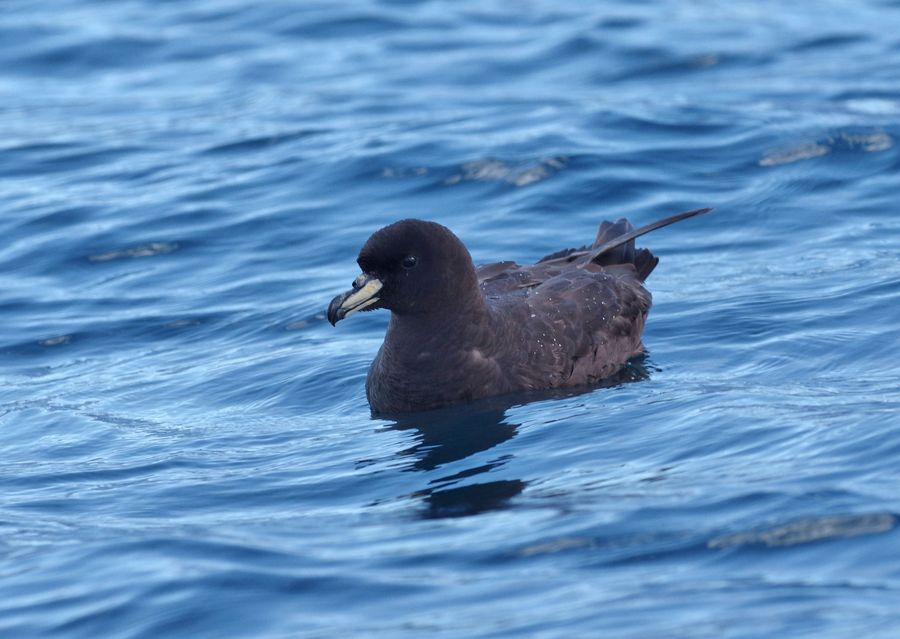
The only Westland petrel colony in the world is just south of the Punakaiki River, and the birds fly in and out at dusk and dawn in the breeding season. Forest tracks and the Pancake Rocks are free.
CostFree entry
Best timeDusk in the breeding season, September to March
DOC ↗
West Coast
White Heron Sanctuary Tours
Whataroa
Jet boat and a short walk to the only white heron breeding colony in New Zealand; the birds nest from about November to February, and the tour runs in season only. Book ahead.
CostPaid entry
Best timeNovember to February
Official site ↗
West Coast
Ōkārito Lagoon
Ōkārito
New Zealand's largest unmodified wetland, with 70-plus bird species; white heron feed on the lagoon even though the only breeding colony is up the Waitangiroto. Kayak or walk the trig track at dawn.
CostFree entry
Best timeDawn, on a still morning
DOC ↗
Nelson
Brook Waimārama Sanctuary
Nelson
The largest fenced ecosanctuary in the South Island, in the hills behind Nelson, with tūī, bellbird and robins common through the valley and kārearea overhead. A shuttle runs from the entrance on busy days.
CostPaid entry
Best timeDawn
Wikipedia ↗
Tasman
Kahurangi National Park
Tākaka
New Zealand's second-largest national park; rock wren above the treeline and bittern in the coastal wetlands, including the Ōpārara. Tracks range from an hour to several days.
CostFree entry
Best timeDawn, on a clear day
DOC ↗
Otago
Hāwea Conservation Park
Wānaka
High country west of Lake Hāwea; kea work the car parks and rock wren and kākāriki live in the alpine scrub. Exposed tops, so pick a settled day.
CostFree entry
Best timeEarly morning, settled weather
DOC ↗
Otago
Taiaroa Head / Pukekura
Dunedin
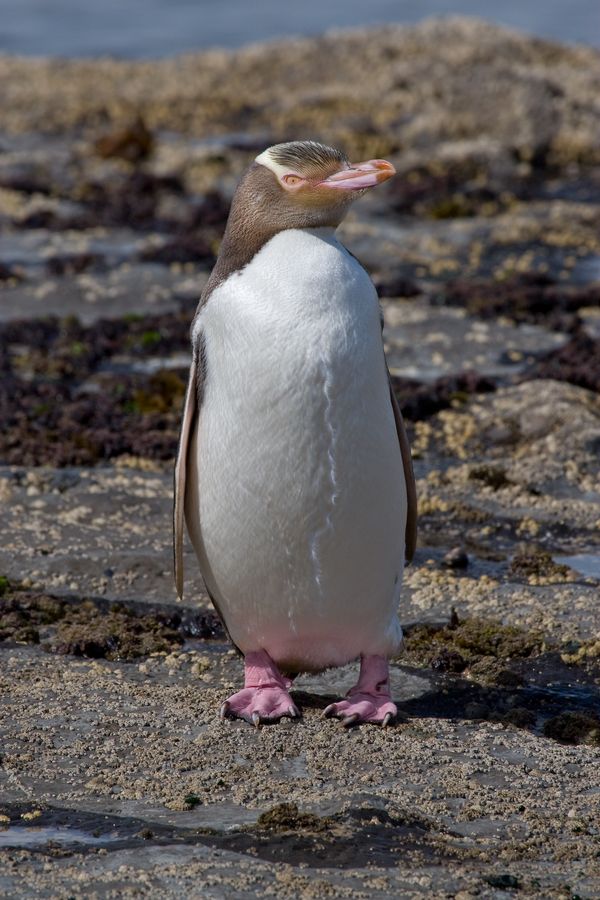
The harbour-mouth headland holds the mainland royal albatross colony and a yellow-eyed penguin breeding area; the albatross tour is paid and needs booking. Strong wind and no shelter, so bring layers.
CostPaid entry
Best timeAfternoon tours, or dusk for penguins
Wikipedia ↗
Marlborough
Blumine Island / Ōruawairua
Picton
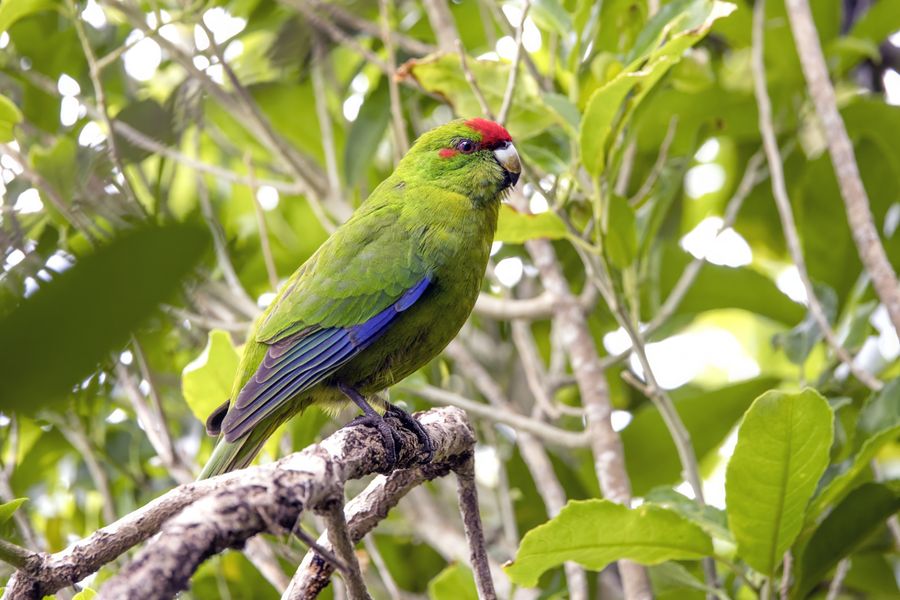
Predator-free island in Queen Charlotte Sound where saddleback and orange-fronted parakeet were released; weka patrol the campsite. You need your own boat or a water taxi, and landing is free.
CostFree entry
Best timeOvernight if you can
DOC ↗
Otago
Orokonui Ecosanctuary
Dunedin
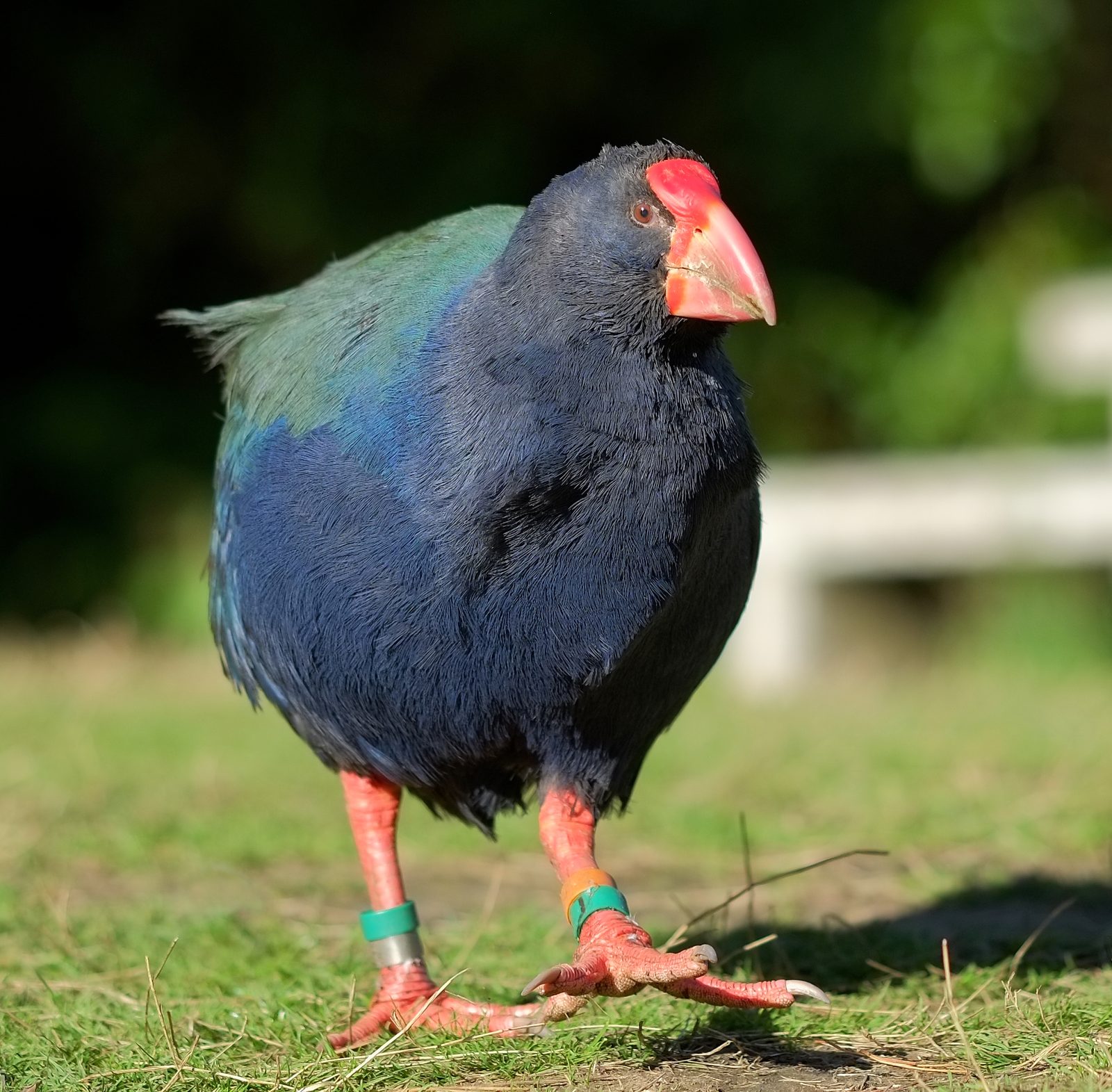
Fenced sanctuary on the hills north of Dunedin; South Island saddleback and kākā are on the tracks and takahē in the open grassland. Guided tours most mornings, and the valley is loud at dawn.
CostSelf-guided adult $27 · child $13 · family $65
Best timeDawn or a guided morning tour
Official site ↗
Wellington
Zealandia Te Māra a Tāne
Wellington
The world's first fully fenced urban ecosanctuary, ten minutes from the CBD; kākā and tīeke are on the tracks and hihi mob the sugar-water feeders. Go at opening, or book the dusk tour for the night species.
CostAdult $27 NZ / $39 international · child (5–17) $11 / $18
Best timeOpening time or dusk
visitzealandia.com ↗
Marlborough
Motuara Island
Picton
Small island at the head of Queen Charlotte Sound where saddleback and yellow-crowned parakeet are tame and robins follow you up the track. Boat or tour from Picton.
CostPaid entry
Best timeMorning
DOC ↗
Wellington
Matiu/Somes Island
Wellington
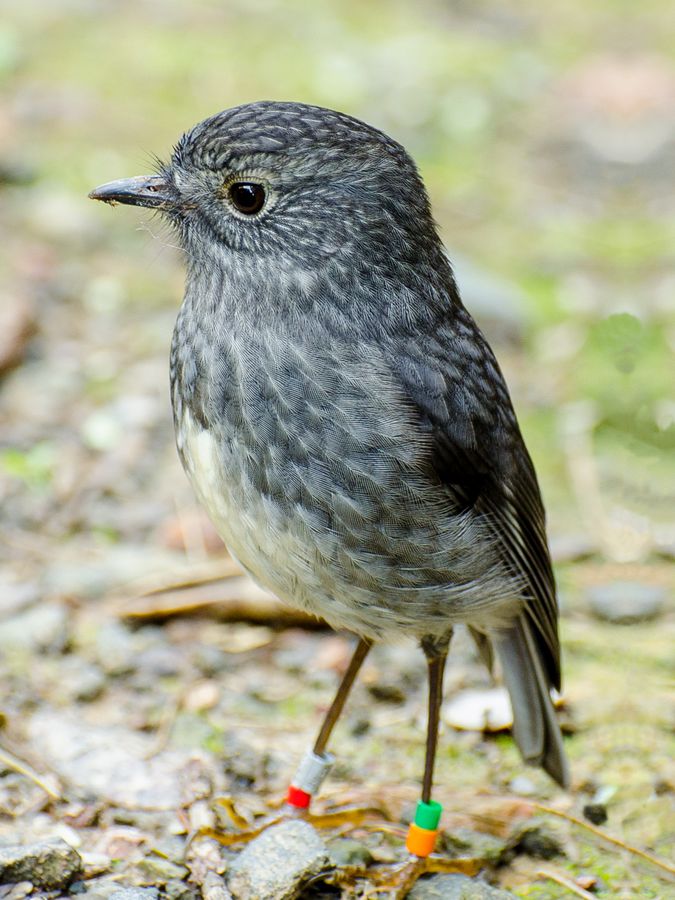
Twenty minutes by ferry from Queens Wharf; kākāriki and North Island robin in the bush and tuatara sunning beside the tracks. An easy half-day with a picnic.
CostPaid entry
Best timeMidday for reptiles, morning for birds
DOC ↗
Wellington
Kapiti Island Nature Reserve
Paraparaumu
Permit-only island reserve and one of the largest accessible bird sanctuaries in the country; kōkako, hihi and takahē in the regenerating forest and kākā on the beach. You need a DOC permit and a boat booking, and staying the night is worth it.
CostPaid entry
Best timeOvernight, or a full day
DOC ↗
Otago
Kiwi Park Queenstown
Queenstown
Five-acre sanctuary on Brecon Street below the Skyline Gondola, built on an old rubbish tip in 1984; the kiwi houses hold ten North Island brown kiwi you see on a Kiwi Encounter, and the walk-through aviaries hold kea, South Island kākā, whio, kākāriki and a very bold buff weka. Allow two hours and time your visit for the 11:30am or 3pm conservation show.
CostPaid entry
Best timeFirst thing, or the 3pm show
Official site ↗
Wellington
Ngā Manu Nature Reserve
Waikanae
Bush and wetland reserve north of Wellington with a kiwi house and a walk-through native bird aviary; ruru and kākā are free in the trees. An easy hour and good with kids.
CostPaid entry
Best timeMorning or late afternoon
Wikipedia ↗
Southland
Eyre Mountains / Taka Rā Haka Conservation Park
Athol
The only known rock wren population outside the Southern Alps, plus kārearea, kea and kākāriki. It is a big alpine park with few tracks, so go prepared.
CostFree entry
Best timeDawn, settled weather
DOC ↗
Wellington
Pūkaha National Wildlife Centre
Masterton
Predator-fenced forest block in the Wairarapa with a nocturnal kiwi house and free-flying kākā, kōkako and stitchbird. Ranger talks run through the day, so time your visit around one.
CostPaid entry
Best timeMorning, or a kiwi-house night talk
DOC ↗
Otago
Catlins Coastal Area
Owaka
Rainforest and coast between Balclutha and Invercargill; yellowhead and bellbird in the podocarp and hoiho coming ashore at dusk at several beaches. Keep 20 metres back and stay behind the ropes.
CostFree entry
Best timeDusk for penguins, dawn for the bush
DOC ↗
Southland
Curio Bay / Porpoise Bay
Waikawa
Hoiho nest in the bush beside the beach and come ashore in the evening, and the Jurassic fossil forest is free to visit at low tide. Stay behind the ropes and keep dogs away.
CostFree entry
Best timeEvening, two hours before dark
DOC ↗
Taranaki
Te Papa-Kura-o-Taranaki / Egmont National Park
New Plymouth
Taranaki Maunga's forest and alpine zone, free to walk; whio on the upper streams and brown kiwi through the forest at night. Above the bushline there is no shelter, so check the forecast.
CostFree entry
Best timeDawn, or night for kiwi
Wikipedia ↗
Southland
Ulva Island / Te Wharawhara
Oban
Predator-free island in Paterson Inlet with tame South Island saddleback, yellowhead and robins on the tracks. Water taxi from Oban, and the first boat of the day has the birds at their boldest.
CostPaid entry
Best timeEarly morning
Wikipedia ↗
Manawatū-Whanganui
Tongariro National Park
Whakapapa
More than 50 bird species around the volcanoes; blue duck in the Tongariro river and kākā in the beech forest at Whakapapa. The alpine crossing is the big day out and needs an early start.
CostFree entry
Best timeDawn, or clear evenings
Wikipedia ↗
Manawatū-Whanganui
Tongariro Forest Conservation Area
Owhango
One of DOC's five kiwi sanctuaries: brown kiwi and whio are monitored here, and it is one of the better North Island forests for hearing kiwi at night. Track junctions off SH47.
CostFree entry
Best timeNight for kiwi, dawn for the chorus
DOC ↗
Hawke's Bay
Kaweka Forest Park
Napier
Beech forest and tussock tops west of Napier; blue duck on the Ngaruroro and kākā and robin in the bush, with kiwi in the lower forest. Best on a calm morning before the valley wind.
CostFree entry
Best timeDawn
DOC ↗
Waikato
Whareorino Conservation Area
Kāwhia
Remote forest between Kāwhia and Awakino where kōkako were reintroduced; the tracks are rough and steep, so it is a genuine tramp rather than a stroll. The dawn chorus is the payoff.
CostFree entry
Best timeDawn
DOC ↗
Hawke's Bay
Boundary Stream Mainland Island
Waikare
DOC's mainland island with intensive predator control; kōkako were reintroduced from Te Urewera in 2001 and kākā are noisy overhead. The Tumanako loop is an easy two hours.
CostFree entry
Best timeDawn
DOC ↗
Waikato
Pirongia Forest Park
Pirongia
Big forest park west of Hamilton with a managed kōkako population; the Mangakara track is the short easy way in. Be there before sunrise for the dawn duet.
CostFree entry
Best timeDawn
DOC ↗
Waikato
Sanctuary Mountain Maungatautari
Cambridge
New Zealand's largest predator-fenced sanctuary, with kōkako, hihi and tīeke thick in the bush and a takahē pair near the southern entrance. Book a day pass and allow four hours.
CostPaid entry
Best timeMorning
Wikipedia ↗
Hawke's Bay
Mōrere Springs Scenic Reserve
Mōrere
Short loop through rainforest where tūī and bellbird work the flowering trees at head height and falcon call overhead. The hot pools next door are paid; the bush walk is free.
CostFree entry
Best timeMorning
DOC ↗
Bay of Plenty
Wingspan National Bird of Prey Centre
Rotorua
Kārearea and ruru up close, plus a daily falcon flight display; the centre also breeds kārearea for release. A good wet-weather option in Rotorua.
CostPaid entry
Best timeCheck the daily flight time
Official site ↗
Bay of Plenty
Kaimai Mamaku Conservation Park
Katikati
Big forest block between the Waikato and the Bay of Plenty; whiteheads and kākā in the podocarp and whio on the streams. There are short walks off SH29 and at the Kaimai summit.
CostFree entry
Best timeDawn
DOC ↗
Bay of Plenty
Kaharoa Conservation Area
Rotorua
Tawa forest north of Rotorua with a long-running kōkako project; the Ōnaia track off SH30 is the easy way in. Robins and whiteheads follow you along the track.
CostFree entry
Best timeDawn
DOC ↗
Bay of Plenty
Waioweka Conservation Area
Ōpōtiki
Gorge forest along the Waioeka River with kiwi and kākā in the bush and whio on the river; the gorge road has easy pull-offs and short tracks.
CostFree entry
Best timeDawn or dusk
DOC ↗
Waikato
Pūkorokoro Miranda Shorebird Centre
Miranda
Mudflats on the Firth of Thames where tens of thousands of bar-tailed godwits feed through summer; dotterel work the shellbanks at the roost. Go either side of high tide.
Costdonation
Best timeTwo hours either side of high tide
Official site ↗
Bay of Plenty
Tūhua / Mayor Island
Tauranga
Pest-free volcanic island off Tauranga with pōhutukawa forest, brown kiwi and kākāriki. There is no wharf, so you land by boat from Tauranga or Whangamatā.
CostPaid entry
Best timeOvernight gives you the kiwi
DOC ↗
Gisborne
Raukūmara Conservation Park
Te Araroa
Huge remote forest park on the East Cape; whio in the streams and kākā overhead, on tracks that are rough and weather that changes fast. Take a personal locator beacon.
CostFree entry
Best timeDawn, on a settled day
DOC ↗
Auckland
Motuihe Island / Te Motu-a-Ihenga
Auckland
Pest-free island a short ferry ride from downtown Auckland; saddleback and red-crowned kākāriki were released here and dotterel nest on the sand. Half a day is plenty.
CostPaid entry
Best timeMorning, before the wind gets up
DOC ↗
Auckland
Rotoroa Island
Auckland
Former rehabilitation island turned wildlife sanctuary in the Hauraki Gulf; tīeke and takahē are out in the open and weka are everywhere. Ferry from downtown Auckland.
CostPaid entry
Best timeAny time; allow a full day
Wikipedia ↗
Auckland
Tiritiri Matangi Island
Auckland
The classic open sanctuary: kōkako, tīeke and hihi turn up on the track within minutes of leaving the wharf. Ferry from Gulf Harbour, book ahead, and allow the full day.
CostFerry adult $110 · child (5–15) $55 · family $275
Best timeAny time; the dawn chorus is best
DOC ↗
Auckland
Motuora Island
Warkworth
A crèche island where North Island brown kiwi chicks are raised before release; stay the night in the campground and you will usually hear kiwi calling. Water taxi from Sandspit.
CostPaid entry
Best timeNight
DOC ↗
Auckland
Tāwharanui Open Sanctuary
Matakana
Predator-fenced regional park with farmland, bush and a marine reserve; dotterel nest on the sand and bittern work the wetlands behind the beach. Camping is at the beach.
CostFree entry
Best timeDawn or dusk
Wikipedia ↗
Northland
Trounson Kauri Park
Dargaville
Fenced kauri forest park where North Island brown kiwi are common enough that you often hear them from the track after dark. DOC and local operators run guided night walks with red torches.
CostFree entry
Best timeNight, an hour after dark
DOC ↗
Chatham Islands
Chatham Islands beaches
Waitangi
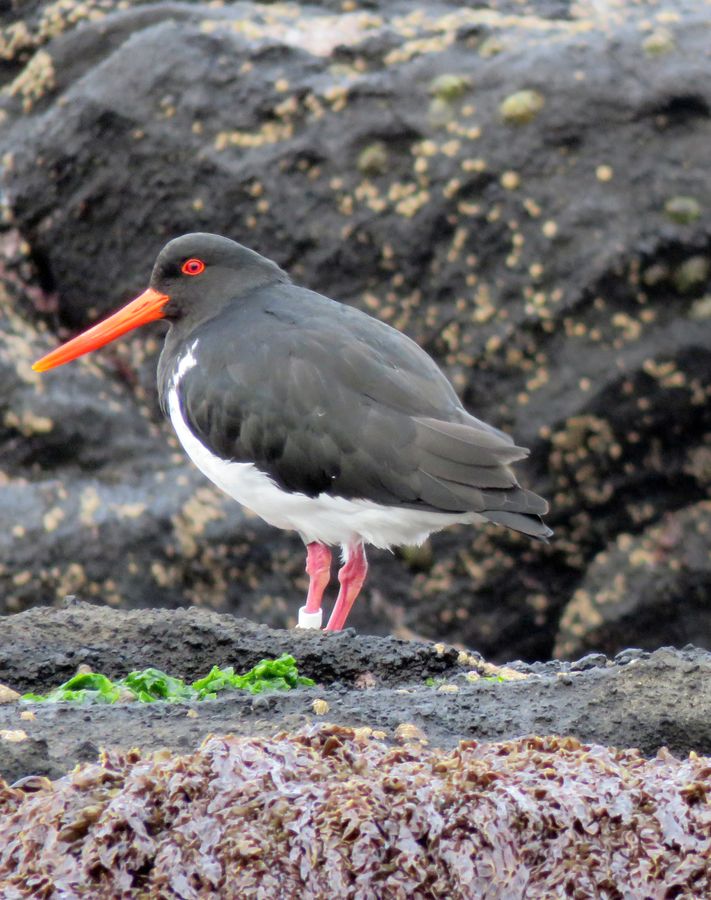
The tōrea tai / Chatham Island oystercatcher is endemic to the Chatham Islands and nests on beaches around Waitangi and Pitt Island. You have to fly there, then keep well back from nesting pairs.
CostFree entry
Best timeNovember to March, breeding season
Wikipedia ↗
Northland
Mimiwhangata Coastal Park
Whangārei
Coastal farm park north of Whangārei with bush blocks, dunes and wetlands; brown kiwi in the forest remnants and bittern in the swampy flats. Tracks are informal, so wear boots.
CostFree entry
Best timeDawn, or dusk for kiwi
DOC ↗
Northland
Moturua Island
Paihia
Pest-free island in the Bay of Islands with easy coastal tracks through manuka and kanuka; tūī and fantails work the scrub at eye level. Water taxi from Paihia, and camping is allowed.
CostPaid entry
Best timeDawn or late afternoon
DOC ↗
Nothing matches that pair. Try another region or bird.
Prices, opening days and hours come from each operator's own site
and change with the seasons, so check before you travel.